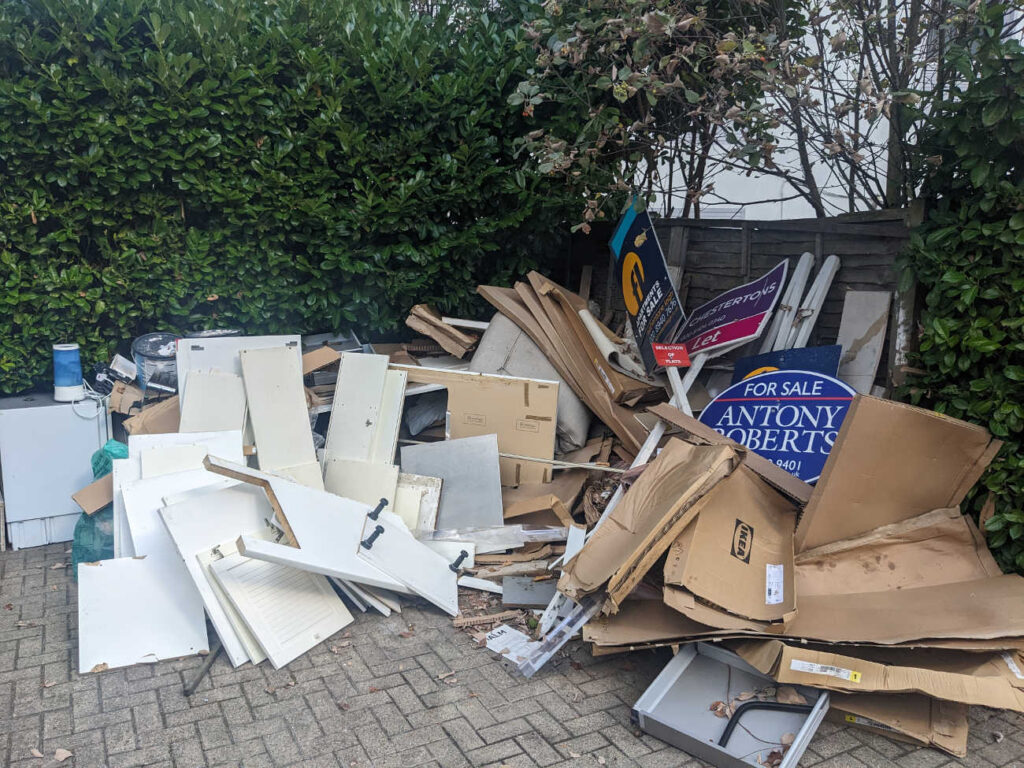
Office removals in North London
Moving offices can be a daunting task, but with the right approach, it can be a seamless transition. North London, with its vibrant business environment, demands a well-organised strategy for any office relocation. From selecting the right removal company to ensuring minimal disruption to your workflow, there are several steps to consider for a successful move. This guide aims to provide you with practical advice and essential tips to help your office relocation go off without a hitch. Whether you’re upsizing, downsizing, or simply seeking a fresh start, we’ve got you covered with everything you need to know about office removals in North London. Understanding the Office Removal Process Understanding the office removal process is crucial to ensure a smooth transition. It involves a series of steps, each with its own set of challenges and requirements. This section will guide you through the key steps, common challenges, and the importance of early planning. Key Steps to Successful Relocation To successfully relocate your office, follow these key steps: Planning and Assessment: Begin by assessing your current needs and the requirements of the new space. Budgeting: Develop a budget that encompasses all potential costs, including unexpected expenses. Scheduling: Create a timeline, outlining each phase of the move to avoid last-minute rushes. Communication: Keep communication lines open with your team, ensuring everyone is informed and prepared. Execution: On moving day, ensure all logistics are managed effectively for a seamless transition. By taking these steps, you can minimise disruptions and ensure that your office move is executed efficiently. Common Challenges and Solutions Common challenges in office removals include logistical issues, time constraints, and unexpected costs. To address these, consider the following: Logistical Issues: Ensure you have a detailed plan that covers all aspects, including transport routes and equipment handling. Time Constraints: Start planning early and break tasks into manageable segments to prevent last-minute stress. Unexpected Costs: Build a contingency fund into your budget to cover unforeseen expenses. By anticipating these challenges and having solutions ready, you’ll mitigate potential disruptions and maintain a smooth relocation process. Importance of Early Planning Early planning is the backbone of any successful office move. It provides the time needed to coordinate all aspects of the relocation, from logistics to staff communication. Early planning allows for thorough research of removal companies and negotiation of contracts, ensuring you get the best deal available. Additionally, it helps in identifying potential risks and devising strategies to mitigate them. This proactive approach not only reduces stress but also enhances the overall efficiency of the move. By starting early, you can ensure that every detail is addressed, leading to a smoother, more organised transition. Selecting the Right Removal Company Choosing the right removal company is a critical step in the office relocation process. This section will help you evaluate potential companies, compare quotes, and understand the importance of reviews and testimonials. Evaluating Credentials and Experience When selecting a removal company, evaluate their credentials and experience. Look for companies with proven track records in handling office relocations. Check for certifications or associations with professional bodies, which often indicate a commitment to quality and standards. Experience is a key factor; companies with extensive experience are likely to handle unexpected issues more competently. Additionally, verify the company’s insurance coverage to ensure your items are protected during the move. By considering these factors, you can select a company that will facilitate a smooth and successful relocation. Comparing Quotes and Services Comparing quotes and services is essential to find the best fit for your office move. Start by gathering quotes from several companies, ensuring that each quote covers similar services for an accurate comparison. Use a table to organise the information: Company Name Quote Price Services Included Additional Fees Company A £2,000 Packing, Transport £100 for stairs Company B £1,800 Transport only £150 for packing Company C £2,200 Full Service £50 for overtime Identify the services that are most important for your move, such as packing and unpacking, and weigh them against the costs. By doing thorough comparisons, you can ensure you receive value for money while meeting your specific needs. Reading Reviews and Testimonials Reading reviews and testimonials offers insight into a removal company’s reliability and service quality. Seek feedback on aspects like punctuality, professionalism, and problem-solving capabilities. Positive testimonials often indicate satisfied customers, while negative reviews can highlight potential red flags. Online platforms and forums frequently host these reviews, providing a broad spectrum of customer experiences. This feedback can guide your decision, helping you choose a company that aligns with your expectations and requirements. Ultimately, reviews and testimonials serve as a valuable tool in making an informed choice. Preparing Your Office for the Move Preparing your office for the move is vital to ensure minimal disruption and a smooth transition. This section covers organising and labelling items, managing IT equipment, and coordinating with staff and stakeholders. Organising and Labelling Items Effective organisation and labelling are crucial for a hassle-free move. Begin by decluttering, removing unnecessary items to streamline the packing process. Next, categorise items based on their functions or departments to facilitate easier unpacking. Label each box clearly with its contents and destination room in the new office. This simple step saves time during unpacking and helps prevent items from getting misplaced. Organisation and labelling are small tasks that significantly impact the efficiency and speed of your office relocation. Managing IT Equipment and Files Managing IT equipment and files requires meticulous attention to ensure data security and equipment safety. Start by backing up all digital files to prevent data loss during the move. Next, disconnect and organise cables, labelling them for easy reassembly. Use appropriate packing materials to protect sensitive equipment from damage. Consider working with IT specialists if necessary, to streamline the process and address any technical concerns. By taking these precautions, you safeguard your digital assets and ensure a smooth transition for your IT systems. Coordinating with Staff and Stakeholders Coordinating with staff and stakeholders is a critical component of a successful office move. Early…
Read more